Uncategorized

Paralysis (Stroke)

Paralysis due to stroke occurs when a sudden interruption of blood flow to the brain damages nerves controlling movement. It can affect one side of the body, impairing mobility, speech, and coordination. Rehabilitation, including physiotherapy and occupational therapy, helps restore function, improve strength, and enhance independence, enabling stroke survivors to regain a better quality of life.

Read More »
Uncategorized

Behavior Therapy

Behavior Therapy focuses on identifying and changing negative behaviors through positive reinforcement and structured techniques. It helps individuals, especially children with autism, ADHD, or anxiety, develop social skills, emotional regulation, and coping strategies. By addressing problematic behaviors and encouraging positive actions, behavior therapy enhances overall well-being, confidence, and daily functioning in personal, academic, and social settings.

Read More »
Uncategorized

Special Education

Special Education is tailored instruction designed to meet the unique learning needs of children with disabilities, such as autism, dyslexia, or intellectual challenges. It provides personalized teaching methods, assistive technologies, and supportive environments to enhance learning and development. By fostering independence and confidence, special education helps students reach their full potential academically, socially, and emotionally.

Read More »
Uncategorized

Occupational Therapy

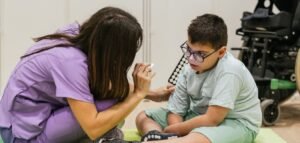
Occupational Therapy (OT) helps individuals develop, recover, or maintain daily living and work skills. It is especially beneficial for children with developmental delays, autism, or cerebral palsy, improving motor skills, sensory processing, and independence. Through tailored activities and adaptive techniques, OT enhances a person’s ability to perform essential tasks, boosting confidence and overall quality of life.

Read More »
Uncategorized

Cerebral Palsy

Cerebral Palsy (CP) is a neurological disorder affecting movement, muscle tone, and posture due to brain damage before, during, or after birth. It can cause difficulties in coordination, balance, and motor skills. While CP has no cure, therapies like physiotherapy, speech therapy, and occupational therapy help improve mobility, communication, and independence, enhancing the quality of life for affected individuals.

Read More »
Uncategorized

Child Physiotherapy

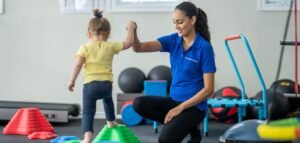
Child physiotherapy focuses on improving movement, strength, and coordination in children with physical disabilities, developmental delays, or injuries. It helps enhance mobility, posture, and muscle function through specialized exercises and therapies. By addressing conditions like cerebral palsy, muscular dystrophy, and motor delays, physiotherapy promotes independence, confidence, and overall well-being in children, ensuring a better quality of life.

Read More »
Uncategorized

Speech Therapy

Speech therapy helps individuals overcome speech and language challenges, enhancing communication skills for better interactions. It is essential for children with autism, speech disorders, or developmental delays.

Professional speech therapists use specialized techniques to improve articulation, fluency, and comprehension, empowering individuals to express themselves confidently and lead more fulfilling lives.

Read More »